

When approaching product validation and durability testing, engineers often gravitate toward the newest machines on the market. Manufacturers naturally want the best tools available to ensure precision and reliability. However, the most sustainable, cost-effective solution might already sit bolted to your laboratory floor.
We operate in a heavily disposable culture, routinely discarding outdated technology for the next upgrade. Industrial testing equipment tells a different story. Heavy iron rarely expires. The fabricated steel frames, support equipment, and load cells of older testing rigs remain incredibly robust. Usually, only the brain—the controllers and software—loses its edge over time.
At Innkeeper LLC, we know that sustainability and high-performance testing work hand in hand. Retrofitting existing equipment with state-of-the-art controls extends the life of your systems. This approach significantly reduces waste and saves money without sacrificing data integrity or precision.
The Hidden Costs of New Equipment
Technical requirements typically drive equipment purchases, leaving sustainability as a secondary priority. Purchasing a brand-new testing system represents a massive capital investment with steep environmental costs. Manufacturing heavy machinery consumes massive amounts of energy and raw materials. Shipping multi-ton equipment globally adds a hefty carbon footprint to your operation.
Scrapping an old machine because its software is obsolete means discarding tons of perfectly good structural metal. This generates industrial waste and demands new resource extraction to build the replacement. Reusing and repurposing existing test equipment saves major capital expenses while keeping that fabricated steel out of the scrapyard.
Achieving true sustainability takes work. Outdated methods remain deeply ingrained in organizational decision-making. Test machines are literally bolted to the walls and floors, making change seem daunting. Yet, facilities that look past these hurdles often realize unexpected benefits. Upgrading systems can save on cooling water, increase power efficiency, reduce required floor space, lower maintenance costs, and drastically improve operator safety.
How Retrofitting Works
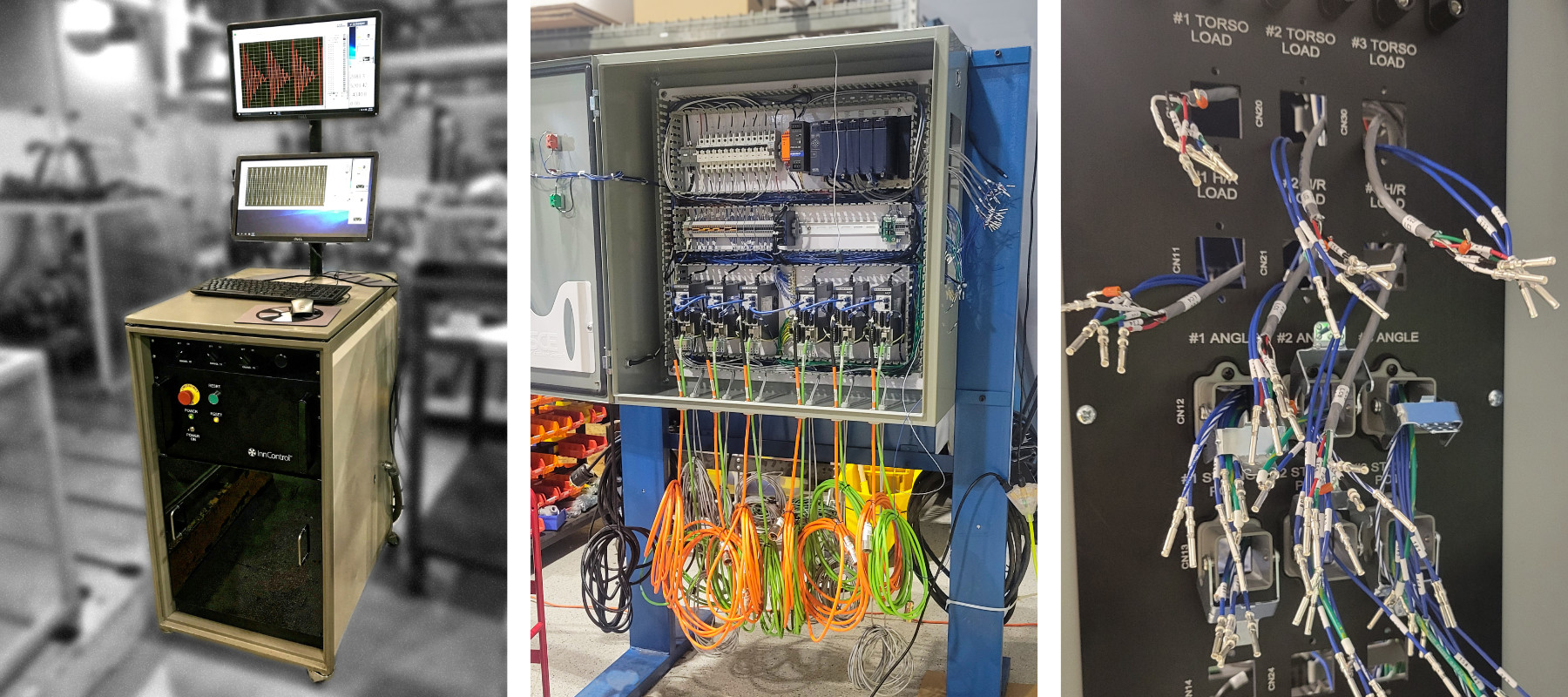
Retrofitting rejuvenates tired, outdated test equipment using modern technology. It transforms a legacy machine into a cutting-edge platform. The process typically involves three main steps:
- Assessing Core Components: We evaluate the mechanical integrity of your existing frames, actuators, and sensors.
- Upgrading Controls: We replace obsolete, unsupported controllers with modern, high-speed control systems.
- Modernizing Software: We integrate intuitive, flexible software that handles better data acquisition, complex sequences, and easy reporting.
The result is a machine performing like new, often exceeding its original specifications, at a fraction of a full replacement cost.
Moving From Hydraulics to Electro-Mechanical
A major sustainability win during retrofitting involves replacing older hydraulic control systems with electro-mechanical actuators, such as ball-screw designs. While not always possible, making this switch profoundly impacts your lab’s footprint and maintenance requirements.
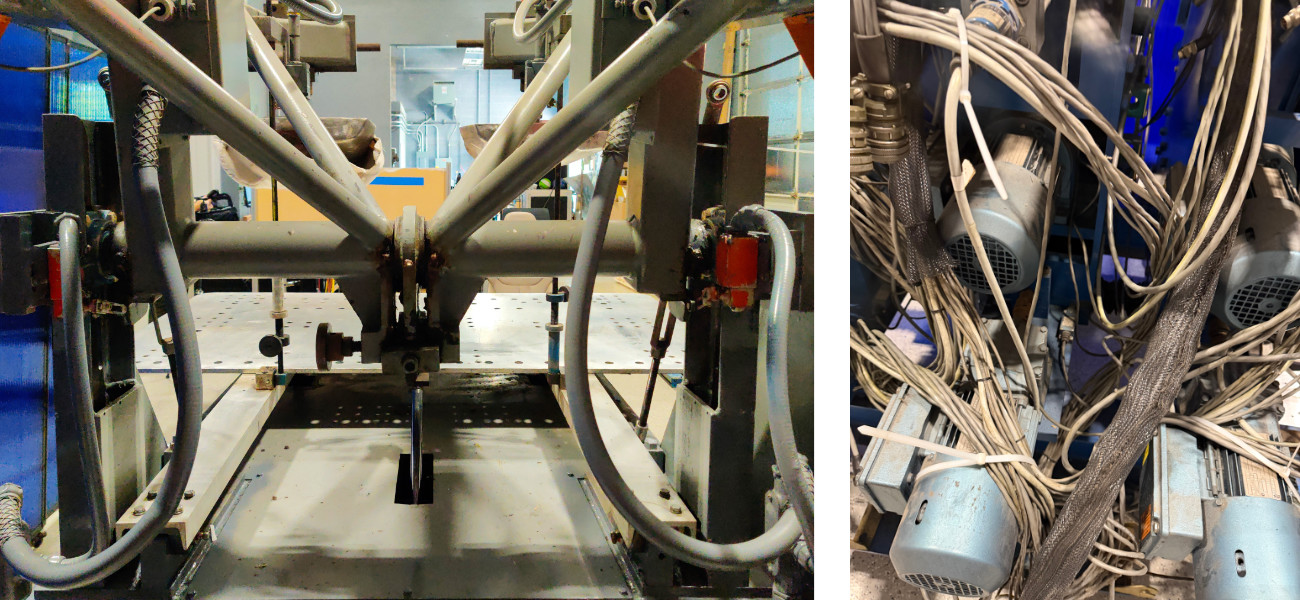
Hydraulic systems require massive infrastructure. Traditional setups utilize 5 to 50-gallon oil tanks, high-pressure ring-mains, and noisy pumps. These systems take up valuable floor space and present constant maintenance headaches. An overnight burst in a hydraulic line means operators must drain pits, clean up 50 gallons of spilled oil, replace parts, and manage lingering oil mists.
Replacing hydraulics eliminates the need for leak management materials like pigs and absorbent mats. It removes the necessity for specialized spill-response training and cleans up the work environment.
However, we recognize that electro-mechanical systems cannot replace hydraulics in every scenario. Hydraulic actuators possess an unmatched ability to move massive loads very quickly for millions of cycles. When high-speed, high-mass fatigue testing is strictly required, hydraulics remain the superior choice. We help you identify exactly where making the switch to electro-mechanical makes operational sense.
Industries Leading the Charge
Sustainable retrofitting represents a practical solution adopted across high-stakes industries. In these fields, precision and durability remain non-negotiable.
Automotive Testing
The automotive industry faces relentless pressure to innovate while cutting costs. Vehicle components require rigorous fatigue testing. Instead of buying new rigs for every model year, manufacturers retrofit existing durability testers to handle new drive profiles and advanced data collection.
Aerospace
Aerospace validation equipment is massive and custom-built. Scrapping a structural test rig because its data acquisition system aged out proves financially impractical. Retrofitting allows aerospace engineers to maintain specialized setups while gaining the exact modern accuracy flight safety standards demand.
Biomedical
Medical device testing requires extreme precision. The mechanical requirements for testing surgical tools usually remain stable, even as regulatory data requirements evolve. Biomedical labs use retrofitting to capture high-resolution compliance data without the waste of constant equipment turnover.
Validating Optimized Designs
Innkeeper’s test equipment also provides crucial validation tools for manufacturers actively optimizing their own products. Companies constantly look to substitute materials, reduce bulk material usage, and streamline designs.
Engineers must confirm that these leaner, greener designs still exceed safety and performance criteria. By upgrading your controls and software, our systems deliver the precise data needed to validate these manufacturing improvements. When our retrofitted systems help you test smarter and reduce the total quantity of testing required, you compound your sustainability efforts by reducing overall process waste.
A Long-Term Commitment to Sustainable Testing
Many initial sustainability programs target the low-hanging fruit within a facility. Corporate sustainability plans frequently overlook testing labs because the equipment seems too entrenched or too expensive to update.
Achieving meaningful, incremental improvements requires a long-term commitment. A sustained focus on testing efficiency reduces easily measured components like energy use and water consumption. Eventually, this mindset reaches deeper into your work processes and operational habits.
Choosing retrofit over replacement delivers immediate cost efficiencies, saving you 40% to 60% compared to buying new systems. It offers faster deployment times by avoiding long manufacturing and shipping lead times for heavy machinery.
Don’t let outdated controls render your valuable equipment useless. Transforming your lab operations creates tangible business value, propelling your company forward with a sharper competitive edge.
Let us help you assess your current testing systems to see if your bolted-down equipment is a candidate for rejuvenation. Contact Innkeeper today to discuss your retrofitting options and build a cost-effective, sustainable solution.